Details
Detailed Description
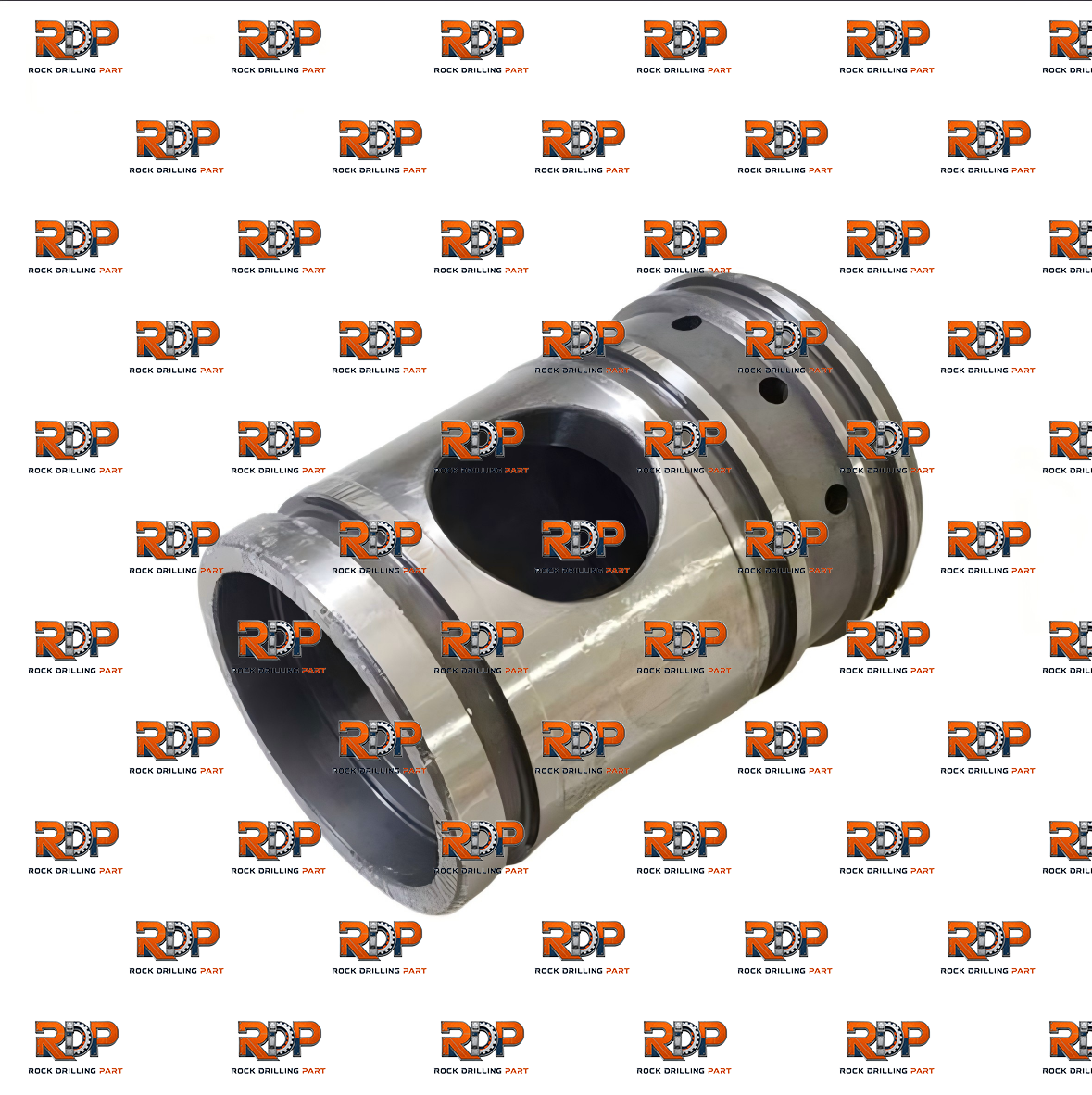
3115504405 Spare Parts FLUSHING HEAD rock drill for Epiroc Cop1838HD+ 3115 5044 05
3kg
For Cop 1638hd+ , Cop 1838hd+ , Cop 2238hd+
The Epiroc Flushing Head 3115504405 is a precision-engineered hydraulic component designed for Epiroc and Atlas Copco rock drills and drilling equipment. Manufactured from high-quality materials with precisely machined air and water channels, it ensures efficient flushing, correct flow distribution, and reliable drilling performance under heavy-duty operating conditions. By sharing your machine model, compatibility can be verified and a competitive quotation provided.
3115504405, 3115 5044 05 FLUSHING HEAD ATLAS COPCO If you’re building a drilling string that has to survive vibration, abrasive dust, and heat while still pushing clean flushing medium exactly where it’s needed, the flushing head is one of the parts that quietly decides whether the shift ends smoothly or ends early. The 3115504405, 3115 5044 05 FLUSHING HEAD ATLAS COPCO is designed to manage that “invisible” job: guiding air/water flow through the front-end assembly so cuttings evacuate efficiently, tool temperature stays controlled, and the rock drill keeps delivering stable performance under load. At 3GEN Export, we supply OEM-standard replacements built for reliability, fit, and long service life, so you can restore consistent flushing behavior and reduce the risks that come from leakage, flow restriction, or misalignment. We deliver worldwide in 5 working days. What the flushing head does in a rock drill system A rock drill’s front-end has two big responsibilities: keep the mechanical stack aligned and keep the flushing path clean, sealed, and predictable. The 3115504405, 3115 5044 05 FLUSHING HEAD ATLAS COPCO supports that second responsibility by forming a controlled passage for flushing media (air, water, or air-water mix depending on your setup) to travel through the front section and into the drilling path. When flushing is stable, you typically gain: Cleaner hole condition and faster cuttings evacuation Lower regrinding (less energy wasted) Better bit life and less thermal stress More consistent penetration rate due to reduced clogging and dust packing If the flushing head is worn or damaged, symptoms can include pressure drop, leakage at seal points, abnormal dust, inconsistent cuttings removal, and increased heat marks or premature wear on nearby components. Where 3115504405 fits Online parts references list 3115504405, 3115 5044 05 as the flushing head used in the front-part group of the COP 1838HD+ rock drill family (Atlas Copco / Epiroc naming seen in catalogs). That placement matters because the flushing head interacts with multiple precision-matched surfaces around the front-end: sealing grooves, flow ports, and alignment shoulders that must sit correctly to prevent bypass flow, turbulence, and seal damage. Key design features you can see in the photos Even without a dimension sheet, the images show the kind of geometry typically required for controlled flushing: Precision cylindrical body with multiple grooves/lands for sealing and seating Radial port windows for flow distribution Axial bore section with machined internal surface finish Multiple small holes near the upper band (often used for distribution, balancing, or routing depending on design) These features are not cosmetic; they determine whether the flushing medium arrives with the right pressure profile and whether the seals survive the vibration environment. Why OEM-standard machining matters for this part The 3115504405, 3115 5044 05 FLUSHING HEAD ATLAS COPCO is a tolerance-driven component. Small deviations can create big downstream problems: Seal groove geometry out of spec can cause extrusion, slicing, or micro-leaks that turn into major pressure loss. Misaligned port timing can reduce flow at the bit, increasing dust packing and heat. Poor surface finish can accelerate seal wear and create a “polishing” failure mode where leakage gets worse over time. Incorrect concentricity can introduce uneven contact and premature wear in adjacent parts. For that reason, an OEM-standard replacement should be produced with controlled machining, stable material quality, and consistent inspection, especially around sealing surfaces and flow channels. Technical details and practical specifications (application-based) Because exact factory dimensions vary by revision and rock drill configuration, the most useful “specs” for buyers are the functional and inspection points that determine fit and service life. Material and build (typical expectation for this class of component) Engineered alloy steel suitable for cyclic loads and vibration environments Machined sealing lands and port edges with controlled finish Wear-resistant surfaces designed to work with sealing elements and mating bores Functional interfaces External sealing grooves/lands to prevent bypass flow Radial port window to route flushing medium where it needs to go Internal bore section that must remain clean, round, and smooth Quality checks recommended on arrival Visual inspection of all edges and port windows for burrs Check sealing lands for nicks or impact marks Confirm that port openings are clean and free of debris Dry-fit check (no forcing) in the mating section during installation Estimated weight (for packing and freight planning) Estimated net weight for the 3115504405, 3115 5044 05 FLUSHING HEAD ATLAS COPCO: approximately 1.2 kg. This is an estimate based on the visible form factor and typical material density for similar front-end flushing components. If you need an exact shipping weight for a formal quote or customs documents, 3GEN Export can confirm from the packed shipment details. Compatibility: which ATLAS COPCO / Epiroc models use it Based on publicly listed parts tables, 3115504405, 3115 5044 05 is referenced as a flushing head for the COP 1838HD+ rock drill / drifter family. Confirming fit the right way (recommended) Because rock drills often have revisions tied to serial ranges, always confirm using at least one of the following: Your rock drill model and variant (exact suffix) Machine or drill rig serial range Parts manual breakdown for the front-end group If you share your rock drill model/serial range, I can help you create a “fitment confirmation checklist” you can use with your team before ordering. Related front-end parts commonly ordered together In the same publicly listed front-part grouping, 3115504200 (front part) appears adjacent to 3115504405 (flushing head). In real maintenance cycles, buyers often bundle: Flushing head Seal set (O-rings/back-ups if used) Front-end mating part(s) if there is scoring or oval wear Fasteners or retainers specific to the assembly design This approach reduces repeat downtime and prevents “new part + worn mating surface” failures. Installation overview This is a practical, workshop-friendly outline. Always follow your machine manual and lockout procedures. Tools and prep Clean bench area and lint-free wipes Appropriate solvent/degreaser (compatible with seals) Inspection light and magnification if available Correct assembly lubricant (seal-safe) Torque tools if any fasteners are involved in your specific design Step-by-step installation guidance Depressurize and isolate the system completely (air/water/hydraulic as applicable). Remove the front-end cover/retainer according to your manual and expose the flushing head position. Inspect the bore and mating surfaces. If you see deep scoring, pitting, or heat discoloration, address the mating component before installing the new part. Clean the cavity and verify that no chips, metal dust, or seal fragments remain inside. Inspect and replace seals if the design uses them. Never reuse flattened or cut seals in a high-vibration zone. Lightly lubricate sealing surfaces with a seal-safe lubricant. Insert the 3115504405, 3115 5044 05 FLUSHING HEAD ATLAS COPCO gently and evenly. Do not force; forcing usually means a burr, misalignment, or wrong seal. Reassemble retainers/covers per manual, using correct torque and sequence. Test for leakage and stable flushing at low pressure first, then ramp to operating conditions.